L2L Dispatch Type Analysis
Last updated: June 19, 2026
Purpose: This dashboard provides a comprehensive view of dispatch operations, empowering users to identify trends, optimize workflows, and make data-driven decisions to improve efficiency and responsiveness.
Key Features:
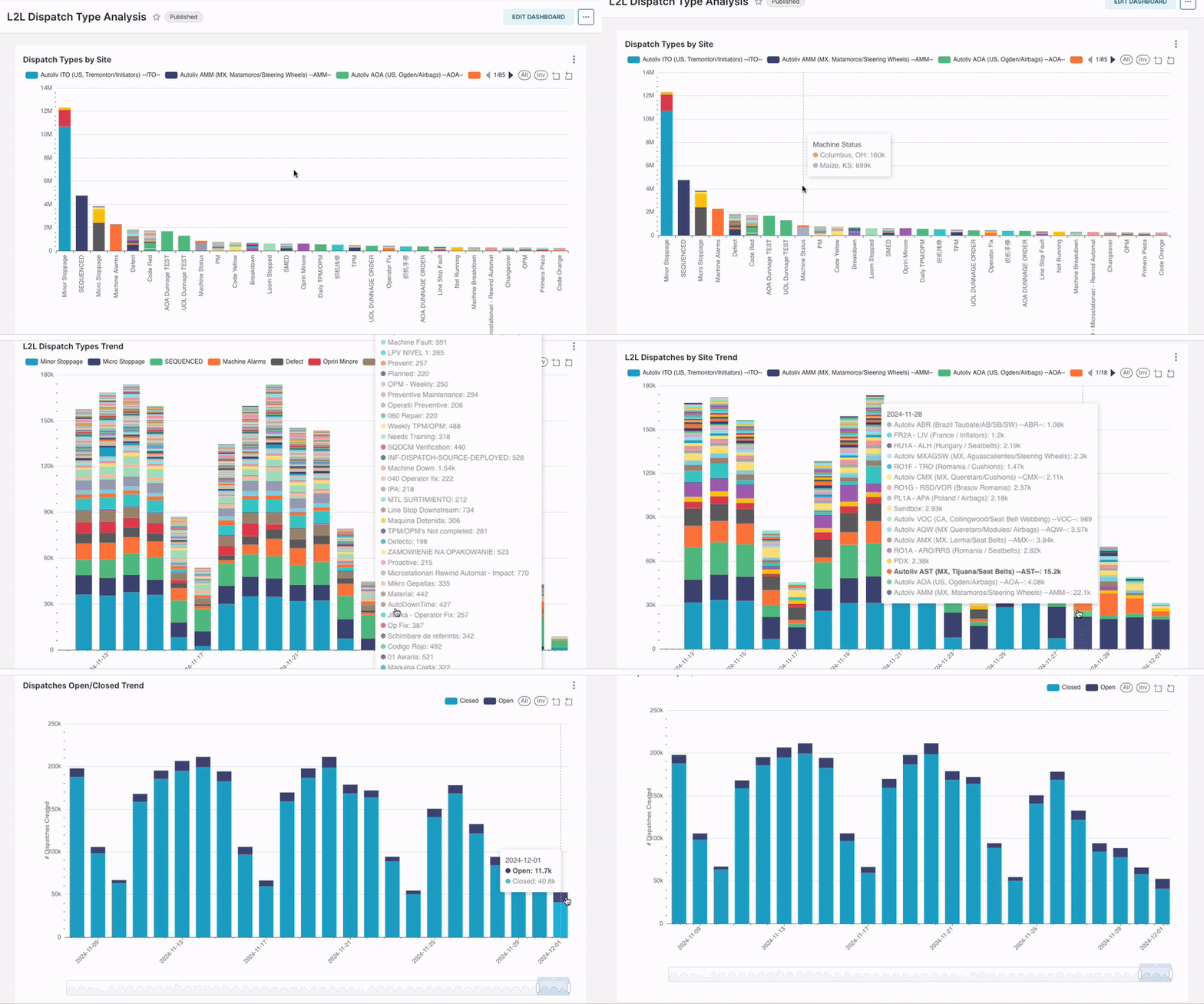
- Dispatch Type by Site: This stacked bar chart provides a clear snapshot of dispatch activity across different sites, broken down by dispatch type.
- Dispatch Types Trend: This stacked bar chart tracks the volume of different dispatch types over time, revealing trends and patterns in dispatch activity.
- Dispatches by Site Trend: This stacked bar chart shows the total volume of dispatches generated at each site over time, helping identify sites with consistently high dispatch volumes.
- Dispatches Open/Closed Trend: This stacked bar chart tracks the number of open and closed dispatches over time, providing insights into dispatch resolution times and overall efficiency.
Benefits:
- Improved Visibility: Gain a real-time understanding of dispatch activity across multiple sites and dispatch types.
- Data-Driven Decision Making: Use insightful data visualizations to make informed decisions about resource allocation, dispatch prioritization, and workflow optimization.
- Proactive Problem Solving: Identify trends and patterns in dispatch activity to anticipate potential bottlenecks and proactively address them.
- Enhanced Accountability: Monitor dispatch resolution times and identify areas for improvement in dispatch handling processes.
Use Cases:
- Optimize Dispatch Efficiency: Identify bottlenecks, streamline workflows, and reduce response times.
- Improve Resource Allocation: Allocate operators and resources effectively based on dispatch volume and type.
- Gain Real-Time Visibility: Track dispatch activity across multiple sites and make data-driven decisions.
- Enhance Accountability: Monitor dispatch resolution times and identify areas for improvement.
- Benchmark Performance: Compare dispatch performance against internal targets and industry benchmarks.